









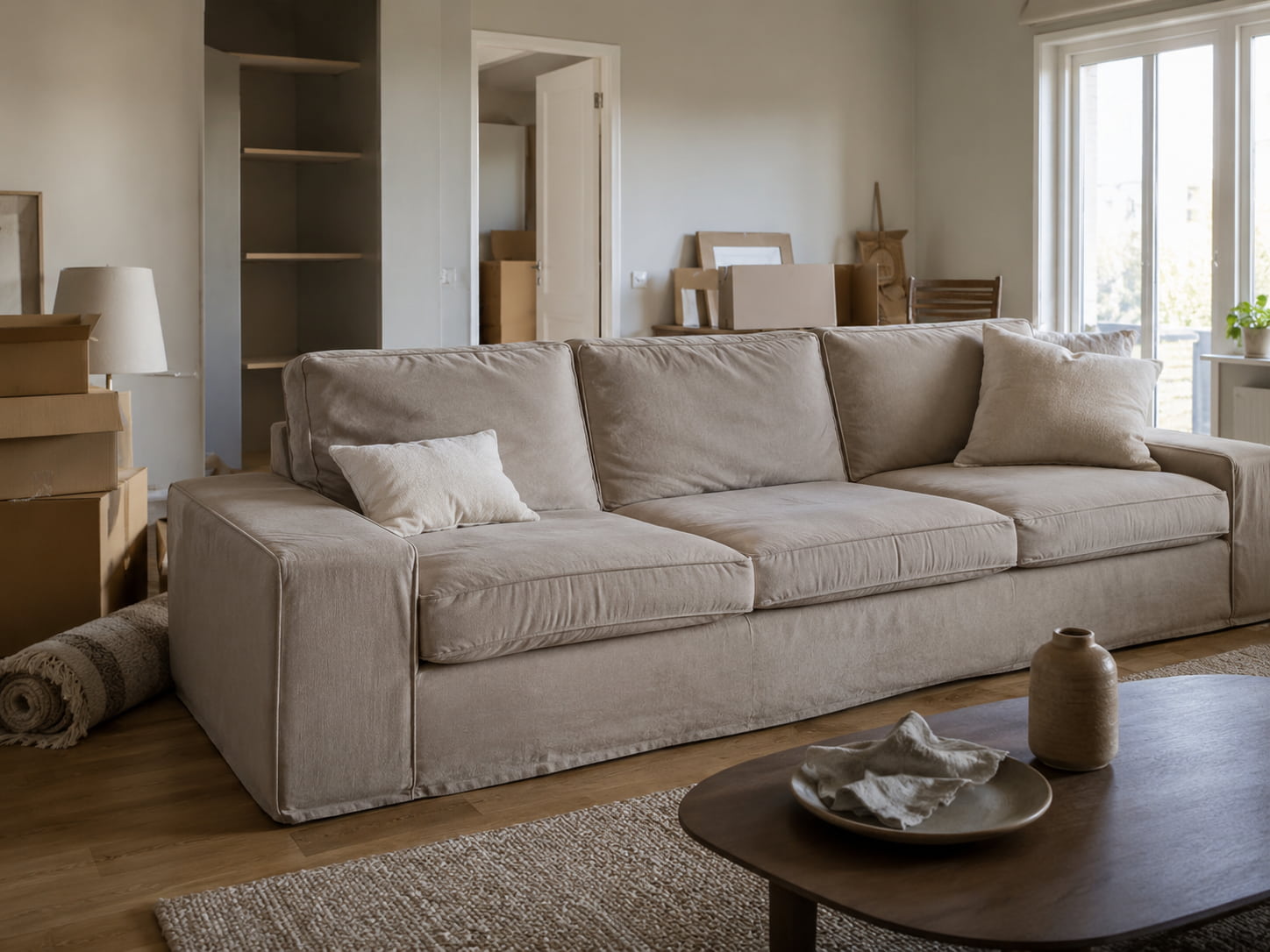
Moving to your first real home often feels like a fresh start. You look at your furniture differently than when you lived in a student room, shared apartment, or small studio. Some items probably need to go. A wobbly desk, cheap cabinet, or worn-out chair might no longer fit the place you’re moving to.
But your old Kivik sofa often deserves a second look. Maybe the cover has faded, shows signs of wear, or the color no longer matches your new interior. That doesn’t automatically mean the sofa itself is worn out. Especially with a model that has removable sofa covers, you can often refresh the look much more easily than you might think at first.
Here are five reasons why it can be smart to take your old Kivik with you when you move.
1. You keep your budget for things that really need to be new
Moving usually costs more than you expect. Besides rent, deposit, or purchase costs, you’ll face expenses for paint, lighting, curtains, small repairs, appliances, and maybe new flooring. A completely new sofa can then take up a large part of your budget.
If the frame and cushions of your Kivik are still in good shape, it’s often wiser to take the sofa with you and just renew the outside. A new cover changes the look a lot, without having to buy a completely new piece of furniture right away.
You can better use that budget for things you can’t easily fix with a cover. Think of good window treatments, a solid mattress, dining chairs, or practical storage. These are often the elements that really make your new home comfortable.
For more choices around budget and priorities, this also naturally ties into furnishing your first home without a big budget.

2. You don’t have to choose everything all at once
Moving already requires enough decisions. Which floor stays, which lights need replacing, where does the dining table go, which curtains suit the windows? If you also have to pick a new sofa right away, that adds a big purchase with lots of doubts.
Taking your old Kivik gives you time. You can first live in your new home, see how the light falls, notice which layout makes sense, and only then decide which color or fabric really fits. That’s often wiser than quickly buying a new sofa before you know the space well.
After a day of unpacking boxes, cleaning, or painting, it’s also nice to have a comfortable seat right away. You don’t have to sit on loose chairs for weeks while searching for the perfect sofa. The Kivik can bridge that transition, even if you later update it with a new cover to better match the interior.
3. A new cover can make the sofa look much more grown-up
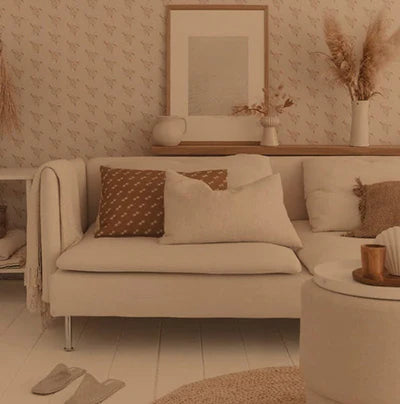
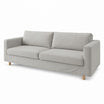
The shape of Kivik is quite calm and simple. Because of that, the look depends heavily on the cover it has. With a different fabric and color, the same sofa can suddenly fit much better in a mature living room, without needing to buy a new piece of furniture.
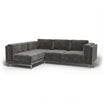
Think of a warm neutral tone with wooden floors, a dark fabric for more contrast, or a subtle texture if you want the sofa to look less standard. The difference is not only in color but also in how the fabric drapes, how neat the seams look, and how well the cover fits the model.
If you want to give the sofa a grown-up look, check out sofa covers for a mature Kivik look. This way, the base of the sofa stays the same, but the look better matches your new home.
Choose a fabric that fits your new interior
When you move, often more changes than just the space happen. Maybe you now have wooden floors, more daylight, higher ceilings, or a more compact living room. Because of that, the old cover might suddenly work less well than before.
So don’t automatically pick the same color again. Look at your floor, walls, curtains, and the light in the room. In a small space, a calm light cover can make the sofa feel less heavy. In a spacious living room, a deeper color can add more maturity.

4. Reusing is often the most logical choice
Getting rid of a sofa because the cover is outdated isn’t always necessary. If the base is still good, reusing is often more logical than replacing. You avoid unnecessarily disposing of a large piece of furniture and make use of what you already have.
It’s not about a big principle but a simple consideration. Is the frame still sturdy? Are the cushions still good? Does the size fit your new living room? If the answer to those questions is yes, a new cover can be enough to make the sofa usable again.
Sometimes a sofa is really worn out. Then replacing is fairer. But with a model whose cover is removable, it’s worth looking at the base first before deciding the whole sofa has to go.

5. Kivik is often easier to move than you think
Moving isn’t just a matter of style. The sofa also has to fit through doors, stairwells, elevators, and narrow hallways. Large sofas in one piece can be difficult in that regard. Kivik has the advantage that parts can often be taken apart, depending on the specific version.
That can make a big difference on moving day. Armrests, backrests, or seat elements can make transport easier than with a fully fixed sofa. Just check beforehand how your model is put together and take photos while disassembling, so you can rebuild it more easily later.
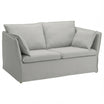
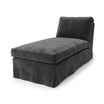
The shape can also be practical in your new home. A 2-seater sofa works well in a smaller living room. A chaise longue can be nice if you have more space. And if you later change the layout, you can adjust the look again with a different cover instead of immediately buying a new sofa.
If you use other IKEA models in your new home alongside Kivik, you can also look more broadly at handmade sofa covers for IKEA models. This way, you can coordinate multiple pieces of furniture more calmly without everything having to be exactly the same.
Conclusion
Taking your old Kivik with you is especially smart when the base is still good but the look no longer fits your new home. Then you don’t have to choose between “keeping the student sofa” and “buying everything new.” You can let the sofa grow with your next living phase.
The practical test is simple: does the sofa fit through the move, is it still comfortable, and can you visually match it to the rest of your interior with a new cover? If that’s true, taking it with you is often the wisest choice. This way, you keep your budget, avoid rushed purchases, and give a familiar piece of furniture a much calmer, more mature role in your new home.
