










Open Floor Plan: Pros and Cons
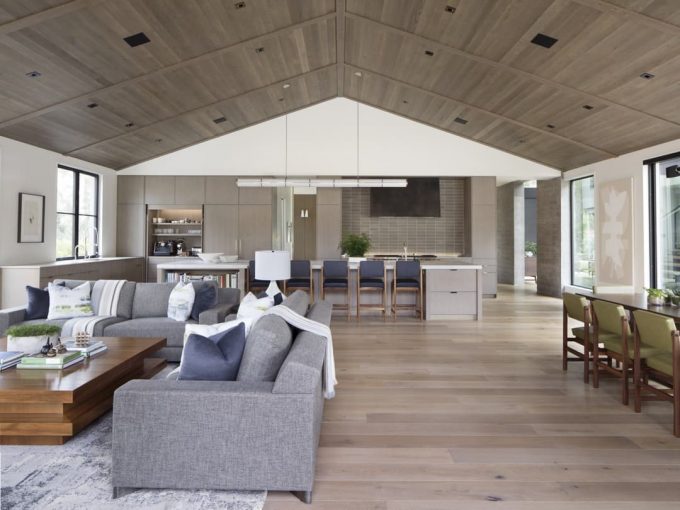
The Open Floor Plan trend has been popular for several years and has developed into one of the most sought-after design trends for homes. An Open Floor Plan is a home layout consisting of one large space that serves as the living room, kitchen, and dining room, without walls separating them. In this blog, we provide an overview of the main pros and cons of Open Floor Plan homes.
On one hand, an Open Floor Plan can give your home a sense of space and light, making it perfect for social occasions and entertaining. It can also promote communication and interaction among family members. On the other hand, the lack of walls can result in a loss of privacy, a lack of storage space, and higher energy bills.
We discuss the pros and cons of Open Floor Plan homes so you can make an informed decision when designing or buying a home. Whether you are a fan of Open Floor Plans or not, it’s important to weigh the advantages and disadvantages before making a final decision.


Advantage: More Light
One of the main advantages of an Open Floor Plan is that it gives your home a feeling of light and space. Because there are no walls separating the different areas, natural light from outside can flow freely through the home. This makes your house feel much airier and more spacious.
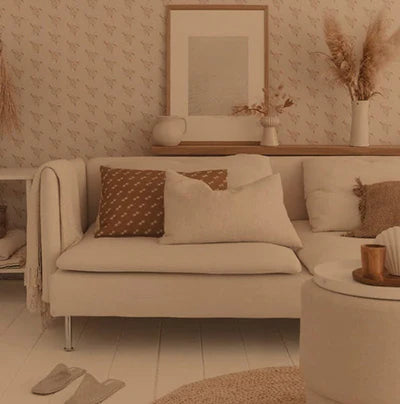
If you plan to integrate an Open Floor Plan into your interior, there are countless ways to do so. To start, you can use light fabrics and bright colors to reflect natural light and make the space appear even larger. IKEA furniture is perfect for this, as their Scandinavian design style is known for using light colors and materials.
Another way to bring more light into your Open Floor Plan is by using large windows and glass doors. This will not only let in natural light but also offer a beautiful view of the outdoors. Moreover, these elements can contribute to a seamless transition between indoor and outdoor spaces.
Advantage: Spaces Can Be Multifunctional
Another big advantage of an Open Floor Plan is that the spaces can be multifunctional. Because there are no walls separating the different areas, you can adapt and use the space in ways that suit your lifestyle. An Open Floor Plan can be a good solution for families with children, where parents can easily keep an eye on their kids while cooking or working at the dining table.
You can also use the space in other ways, such as setting up a corner as a home office, adding a play area for children, or creating a reading nook. With an Open Floor Plan, it’s easy to define different areas by using rugs, furniture, or decoration.
Furthermore, the lack of walls and the ability to combine spaces can increase the value of your home. An Open Floor Plan is attractive to many potential buyers because it allows them to customize the space to their own lifestyle and needs.
Advantage: Improved Coziness and Communication
A third advantage of an Open Floor Plan is that it can improve coziness and communication among people. Because there are no walls separating the different areas, everyone can easily communicate and stay connected, even if they are in different parts of the room. This makes it ideal for social occasions and family gatherings.
Moreover, an Open Floor Plan can enhance the overall atmosphere of your home. It allows you to decorate the space with elements and furniture that make the area cozier and inviting for people to stay in. For example, you can use a large dining table to host dinners or create a cozy seating area to relax and socialize.
Improving communication is also an important aspect of an Open Floor Plan in homes with children. Because parents can watch their children while they are busy in the kitchen or living room, it can provide a sense of safety and security for the kids.

Disadvantage: More Expensive to Heat and Cool
A possible disadvantage of an Open Floor Plan is that it costs more energy to heat and cool than traditional homes with separate rooms. This is because there are fewer walls to keep the heat or cool air contained within a specific room. It also means you have to use more energy to maintain a comfortable temperature throughout the entire house.
Additionally, it can be difficult to maintain the right temperature in each area. For example, if you are cooking in the kitchen, it can get much warmer there than in the living room. This can cause the temperature in the rest of the house to drop, making it less comfortable.
Fortunately, there are ways to reduce this problem, such as using a smart thermostat or installing curtains or blinds to keep the warm or cool air inside. Installing energy-efficient windows and doors can also help lower energy costs. Curtains also help block the sun on hot days.
So it’s worth considering whether you are willing to pay the possible extra costs for heating and cooling before building or buying an Open Floor Plan home. It can be a good investment if you appreciate its benefits, but it can also be a dealbreaker if you are interested in lowering your energy bills.
Disadvantage: Visible Clutter
Another potential disadvantage of an Open Floor Plan is that clutter and belongings can remain visible. When you have separate rooms, you can more easily hide clutter in those spaces. But with an Open Floor Plan, there is less space to keep your things out of sight.
This can be a problem if you tend to leave things lying around or if you don’t have much storage space. For example, if there is a pile of dirty dishes on the counter, it can immediately draw attention and detract from the beautiful interior of your home.
Fortunately, there are ways to address this problem. First, it’s important to work on your tidying habits and find efficient storage solutions for your belongings. This might mean adding extra cabinets or implementing smart storage solutions.
Second, you can use decoration to reduce distracting clutter and belongings. For example, placing large plants in your interior can divert attention from messy areas. Placing artwork or decorative items in strategic places can also help hide distracting items.
It’s important to remember that an Open Floor Plan can be a wonderful way to transform your home and enjoy all the benefits it offers. But like any design, there are also some downsides, such as visible clutter and belongings. With smart tidying solutions and creative decoration, however, you can minimize this disadvantage and continue enjoying your Open Floor Plan.
Disadvantage: Less Privacy
An Open Floor Plan generally offers less privacy than traditional homes. Because there are fewer walls, sounds can spread more easily, and activities in one area can be easily heard in other areas.
This can be especially problematic if you have housemates or often have guests over. For example, if you want to relax in the living room while your housemate is cooking in the kitchen, the noise of pots and pans can disturb your peace. And if you have guests, it can be harder to have a conversation without others overhearing.
Fortunately, there are ways to reduce this disadvantage. One solution is to invest in soundproofing materials such as curtains, rugs, and upholstered furniture. These can help absorb sound and prevent it from spreading throughout the house.
Another solution is to arrange the interior to create private spaces. For example, you can create rooms using room dividers or bookshelves that act as partitions. This gives you the option to close off spaces and create privacy when needed.
The disadvantage of less privacy is an important point to consider when choosing an Open Floor Plan. However, it is not insurmountable, and there are several ways to reduce this downside. By implementing smart soundproofing solutions and creating private spaces, you can still enjoy the benefits of an Open Floor Plan without sacrificing privacy.
Conclusion
This article discusses the pros and cons of Open Floor Plan homes. The main advantage is that these homes provide a sense of light and space, which is perfect for social occasions and entertaining. The spaces are also multifunctional and can be adapted to the lifestyle of the residents. This can increase the value of the home and promote communication and interaction among people. A disadvantage is that there is less privacy and storage space, and the energy bill can be higher. It is important to weigh the pros and cons when designing or buying a home.
