













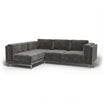

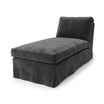


A new sofa cover can do a lot for your living room. The color feels fresher, the fabric fits better with your interior, and the sofa looks well cared for again. Still, a cover doesn’t always look as tight as you expect right away. Sometimes wrinkles appear at the backrest, the fabric slips out of the corners, or too much material remains visible between the seat and armrests.
That doesn’t automatically mean the cover is wrong. Sofas with deep seats, loose cushions, or wide armrests always need some room for the fabric to move. How you put on, smooth out, and tuck in the cover largely determines the final result.
Tucking in a sofa cover well sounds simple, but it’s often exactly the difference between a sofa that looks loosely dressed and one that looks neat, tight, and finished.
Why deep sofas wrinkle faster
Not every sofa requires the same approach. A compact sofa with fixed cushions is usually easier to get tight than a deep lounge sofa with loose elements. Models like Kivik or Söderhamn have generous seating areas and clear gaps between the back, seat, and armrests. This makes them comfortable but also more prone to shifting fabric.
When you sit down, the fabric pulls forward with you. If the cover isn’t properly secured in the seams, the material slowly creeps upward. This causes wrinkles in places where you want a smooth line.
You especially see this at the transition between the seat and backrest. That’s where a lot of movement comes together. The corners at the armrests also deserve extra attention because fabric often gathers or pulls crooked there.
Position the cover properly first
A smooth result doesn’t start with pulling hard, but with positioning well. First, loosely place the cover over the sofa and check where the seams fall. The seams should align as closely as possible with the corners and lines of the model. If you skip this step, you’ll keep having to adjust later.
Start with the largest surface, usually the back or seat. Then gently pull the fabric towards the sides so the tension is evenly distributed over the sofa. If you pull directly on one corner, new wrinkles often appear on the other side.
For some sofas, it’s helpful to temporarily remove cushions or loosen elements slightly so you can better reach the seams. Don’t force anything. The goal is not to pull the fabric as tight as possible, but to let it fall naturally around the shape of the sofa.

Steaming helps before tucking in
A cover just out of the packaging may have creases that are hard to remove. Even after washing, fabric can feel stiffer or wrinkled. Light steaming can help make the fabric more flexible before you tuck it in definitively.
Use a garment steamer or steam iron carefully and always test first on a less visible spot. Not every fabric reacts the same to heat and moisture. Keep a distance from the fabric and work calmly, without holding the steamer too long in one spot.
Steaming doesn’t automatically make the cover perfect. It mainly helps soften hard creases so the fabric falls more easily around the seat, back, and armrests. Then the real work begins: distributing and tucking properly.
How to neatly tuck in excess fabric
When the cover is properly positioned, you can push the excess fabric into the seams. Use your hands first. Push the fabric deep between the backrest and seat, then between the seat and armrests.
Work in small sections. First push away part of the fabric, then smooth the adjacent area, and continue until the entire width is evenly distributed. This prevents all excess fabric from sliding to one corner.
If your fingers can’t reach deep enough, you can use a tool. A wooden spoon, round spatula, or other smooth object can help push the fabric further into the gap. Don’t use anything sharp, as it can damage the fabric.
When tucking grips are useful
Tucking grips are strips that you push together with the fabric into the gaps of the sofa. They provide extra resistance, so the fabric is less likely to slide back up. This can be useful for sofas where the cover keeps coming loose between the backrest and seat.
They work best when the gap is deep enough to hold the strip. In shallow gaps, grips can become more visible or pop up. Therefore, check after placing that the strip is well hidden and the fabric is not pulled unnaturally tight.
Use tucking grips mainly as support, not as a solution for a poorly positioned cover. If the cover is crooked, grips will only hold that crookedness better. First align properly, then secure.
The pool noodle as a smart solution for deep sofas
For deep sofas, a regular grip can sometimes be too thin. Then a simple pool noodle can work surprisingly well. The foam is thick, flexible, and light, allowing it to better fill the space between back and seat.
Cut the pool noodle to size with a sharp knife and push it on top of the tucked-in fabric deep into the gap between the seat and back. It should not be visible when you are done. The goal is for it to hold the fabric in place without disturbing the shape of the sofa.
This trick works especially well with sofas that have wide or deep gaps. For more compact sofas, a pool noodle can be too thick. In that case, a thinner grip, rolled towel, or narrower foam strip is often more practical.
For simpler styling and budget ideas, here is a reference tobudget tricks for a well-kept sofa.
Tucking in a cover is exactly the kind of small adjustment that costs little but can make a big difference in how neat your sofa looks.
Not every fabric reacts the same
The choice of fabric affects how easily a cover stays tight. Smoother fabrics can shift more quickly when the sofa is used a lot. Fabrics with more texture often have more grip, which sometimes helps them stay in place better.
In the context of tucking in, it is especially important how the fabric behaves in the seams. A more flexible fabric is easier to push deep in, while a thicker or more textured fabric sometimes requires more attention at corners and armrests. This makes the preparation and distribution of the fabric more important than the fabric name alone.
If you have a Kivik sofa and want a soft, textured look, you can a Royal Bouclé cover for your Kivik work well within a calm living room.
Keep in mind that bouclé also needs to be placed neatly, especially on deep seat surfaces and wide armrests.
Those who want to compare different fabrics and IKEA models more broadly can also look at handmade sofa covers for IKEA models.
This is especially useful when you want to coordinate not only Kivik but also other models in the same style.

How often should you retighten the cover?
A sofa remains a piece of furniture for everyday use. Even when you have tucked the cover perfectly, the fabric will move a bit over time. That’s normal, especially if the sofa is used daily, if children play on it, or if pets like to lie in the same spot.
Make it a small maintenance routine. Smooth the fabric occasionally with your hand, push the grips or foam pieces back if they have shifted slightly, and check the corners by the armrests. This doesn’t have to be every day, but it prevents small wrinkles from slowly creating a restless look.
After washing the cover, start again. Put the cover on calmly, align the seams, steam if necessary, and tuck the fabric in well again.
Common mistakes when tucking
A common mistake is pulling too hard on one side. This makes the cover tight in that spot, but creates new wrinkles elsewhere. It’s better to work step by step and distribute the tension evenly over the whole sofa.
A second mistake is pushing too little fabric into the seams. If only the top edge is tucked in, the fabric will quickly come loose again. Push the fabric deep enough away and only then use a grip or foam piece.
Too many tools can also be a problem. If you use noodles or strips that are too thick, the sofas can look unnaturally tight or cushions may not fall back into place properly. The tool should support the fabric, not change the shape of the sofa.
Conclusion
A beautiful sofa cover is the foundation, but the finishing determines how well cared for the sofa ultimately looks. Proper alignment, gentle smoothing, smart tucking, and occasional touch-ups together make more difference than one quick fix afterward.
Don’t see it as a fault of the cover when you sometimes need to smooth or tuck the fabric again. With a sofa that has loose covers, this is simply part of keeping the shape neat, especially when the sofa is used daily.
For deep sofas like Kivik or Söderhamn, a tool such as a tucking grip or pool noodle can be handy, as long as you use it subtly and tuck it away well. The result doesn’t have to be showroom perfect. A sofa is meant to be used. But with the right technique, it will look calmer, neater, and better balanced with the rest of your interior.
