


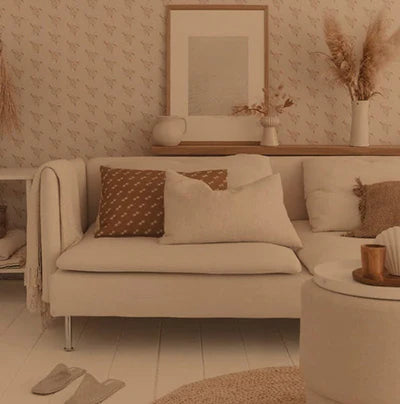





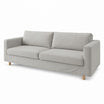
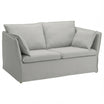
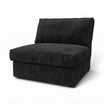
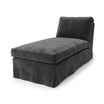

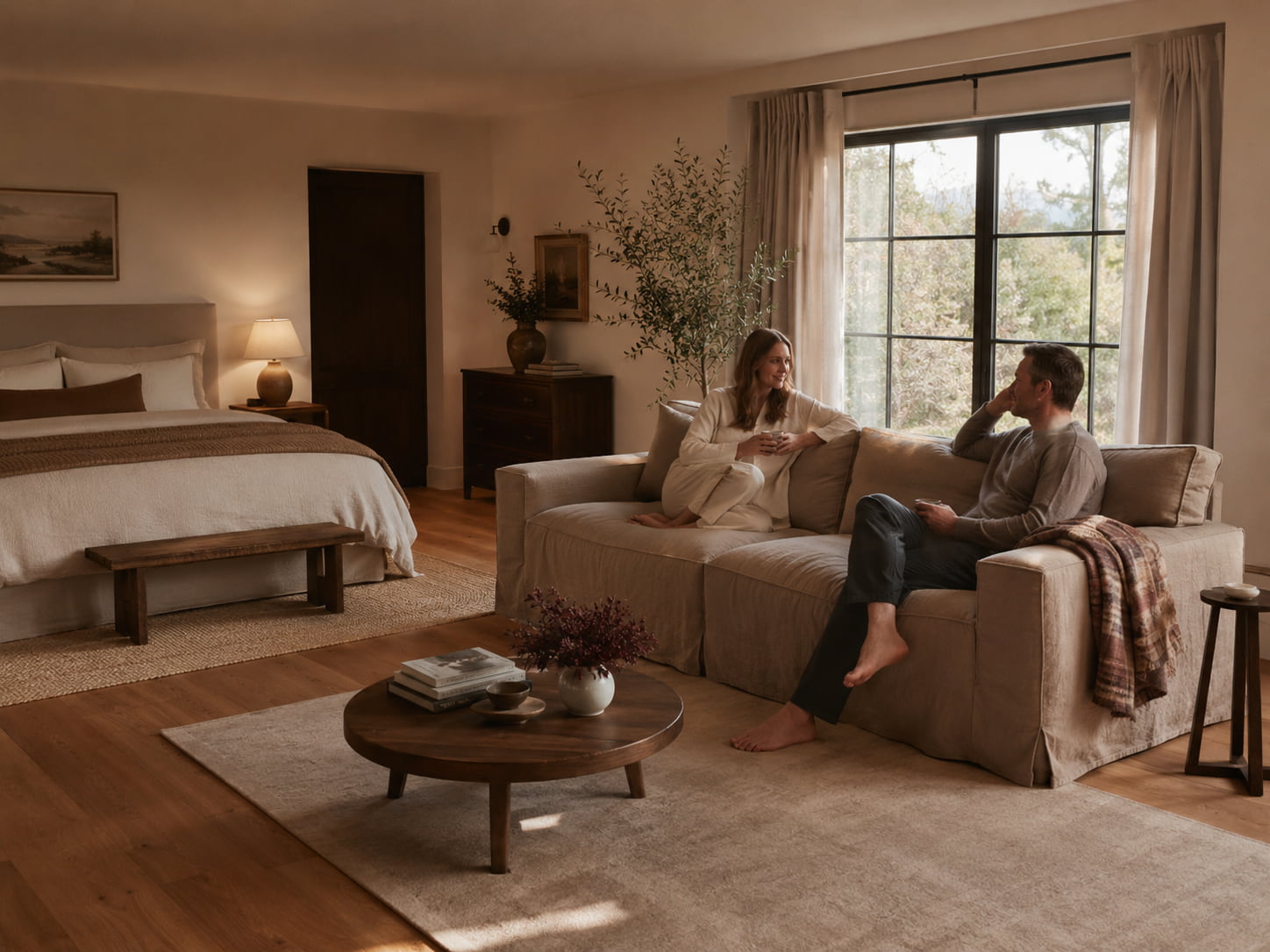
A sofa in the bedroom can make the space feel more like a calm suite, but only if the setup is right. It’s not about many luxury accessories or an exaggerated hotel feel. It’s mainly about a place where you can sit, read, get dressed, or start the day calmly without immediately lying down on the bed.
Especially in a larger bedroom, a small seating area can add a lot. The room gains more function, the space feels less empty, and the bed remains clearly the place to sleep. With the right sofa, cover, lighting, and window decoration, you can create a bedroom corner that is practical and looks calm.
Start with the function of the seating area
Before choosing a sofa, it’s important to determine what you really want to use the seating area for. Do you want to read there before going to sleep? Then you need good lighting and comfortable back support. Do you mainly use the spot to lay out clothes or put on shoes? Then a compact sofa or chaise longue might be more practical than a deep lounge sofa.
A bedroom corner works best when it has a clear function. Without a purpose, a sofa quickly becomes a place where laundry, bags, or clothes are left. So first think about your daily routine, then choose the model, fabric, and styling.
A sofa at the foot of the bed
A sofa at the foot of the bed works well in a spacious bedroom. This setup feels symmetrical and calm, especially when the sofa is not wider than the bed. It gives you a practical place to sit, lay down a throw, or prepare something for the next morning.
Pay attention to the walking space. There must be enough room to move comfortably around the bed. If the passage becomes too narrow, the room feels less relaxing, no matter how beautiful the sofa is.

A sofa in a calm corner
A sofa in a corner of the bedroom often feels more informal and comfortable. This setup works well by a window, next to a bookcase, or opposite a low cabinet. You then create a small zone separate from the bed, without filling up the room.
For a calm bedroom corner, a neutral or soft cover is often a good base. With a Kivik sofa, you can add a Kivik cover for a calm bedroom corner to help model better to match the atmosphere of the room.
Choose a sofa that fits the size of the bedroom
Not every bedroom has space for a large sofa. Therefore, first look at the available floor area, walking paths, and the position of windows, doors, and closets. A seating area should logically fit in the room and not feel like an extra living room piece has been added.
A large sofa can be beautiful in a spacious master bedroom, but in a smaller room, a compact 2-seater sofa, armchair, or chaise longue often works better. The right choice depends less on the “suite feeling” and more on how naturally the furniture fits in the space.
When a chaise longue works well
A chaise longue fits well when you really want to lie down or relax without using the bed. This can be pleasant by a window or in a long room where the shape of the chaise longue follows the space.
Pay attention to the direction of the chaise longue. If the long part blocks the walking path, the room quickly becomes impractical. Place it preferably along a wall or in a corner where it visually extends the space.
When is a 2-seater sofa better
A 2-seater sofa is often more versatile. It can be placed against a wall, at the foot of the bed, or in a separate corner. This model works well if you want a seating spot without the bedroom immediately feeling like a living room.
For smaller bedrooms, this is often the safer choice. You get comfort and structure but retain enough open space. That open feeling is important because a bedroom should not feel too full or heavy.
If you are still unsure between different IKEA models, it is smarter to first look at the size and shape of your bedroom. For some rooms, Kivik works well, while another model may appear more compact or lighter. Via handmade sofa covers for IKEA models you can more broadly compare which cover and look best suits your bedroom.
Work with calm fabrics and colors
In a bedroom, a sofa usually works best when the fabric calmly matches the bed, curtains, and floor. Too much contrast can be interesting in a living room, but in a bedroom, it can quickly feel busy.
Soft neutral tones, warm gray shades, off-white, taupe, light earth tones, and calm green shades often fit well in a bedroom. Dark tones can also be beautiful, but especially when the room has enough light and space.
Choose texture without visual clutter
A bedroom should feel soft and layered, but not messy. That’s why texture often works better than busy prints. A matte fabric, subtle weave, chenille, or linen look can add depth without making the room feel heavy.
Pay attention to balance. If your curtains, bedding, and rug already have a lot of texture, the cover doesn’t need to be very pronounced. Choose a calmer material so the seating area doesn’t compete with the bed.
Coordinate the cover with the bed
The cover doesn’t have to be exactly the same color as the bedding. That can actually feel a bit flat. It’s better to stay within the same color palette. Think of a warm gray tone with white bedding and natural wood, or a soft taupe tone with cream-colored curtains and a light rug.
This way, the cover feels like part of the bedroom without everything being perfectly matched.

Use lighting to make the corner truly usable
A bedroom cover is only comfortable if you can also sit well on it. Lighting plays a big role in this. A ceiling light alone is usually too harsh and general. A seating area calls for lower, warmer, and more focused light.
For example, place a floor lamp next to the cover or a small table lamp on a side table. When you read on the cover, the light should be strong enough but not so bright that the bedroom feels restless.
Distinguish between reading light and ambient light
The reading light should be practical. It should be focused on your book, magazine, or tablet. Ambient light can be softer and mainly helps to make the room feel warmer.
A combination of both works best. This way, you can use the corner when you really want to read, but the bedroom remains calm when you only want soft light in the evening.
Let window decoration work with you
Curtains have a big impact on the atmosphere of a bedroom. They determine how much daylight comes in, how much privacy you have, and how soft the room feels. This is especially important for a bedroom cover, especially when the seating area is by the window.
If you want to connect the seating area with better sleep routines, a reference to curtains for better rest makes sense here. The right window decoration not only helps with styling but also with light control in the bedroom.
Keep the styling simple and functional
A bedroom sofa needs less styling than a living room sofa. Too many decorative cushions, throws, and decorations quickly make the room feel busy. Instead, choose a few elements that really add something.
A throw can be handy if you use the sofa for reading. One or two cushions can add comfort. A small side table is practical for a book, glasses, a phone, or a cup of tea. More is often not needed.
Use accessories that support calm
Choose accessories in materials already present in the room. Wood, ceramic, linen look, wool, or matte metal can work nicely, as long as they don’t all demand attention at once.
A bedroom corner doesn’t have to look “styled.” It should mainly feel logical. If every object has a function, the space stays calmer and more user-friendly.
Avoid the clothing chair trap
A sofa in the bedroom can quickly turn into a place for clothes. You can prevent this by not making the sofa too big and keeping the styling simple. A throw and one cushion clearly show it’s a seating spot, not extra storage.
Also provide a separate place for clothes you still want to wear. A hook, clothes rack, or small basket prevents the sofa from losing its function.
Maintain the corner as if it’s part of your sleep routine
A bedroom calls for calm and tidiness. A sofa piled with stuff or dusty works against that feeling. Make the seating area part of your regular maintenance routine.
Vacuum the sofa regularly with a soft brush. Fluff pillows, fold back the throw, and remove items that don’t belong. If the cover is removable, always follow the washing instructions for the specific fabric. Not every cover has the same composition or care.
A neat seating area doesn’t have to be perfect. But when the sofa is well cared for, the bedroom immediately feels calmer and more finished.
Conclusion
A sofa in the bedroom works best when it has a clear purpose: reading, sitting quietly, dressing, or a small morning routine. Then the seating area doesn’t feel like extra decoration but a logical part of the room.
The strongest combination is usually simple: a size that fits the room, a cover that matches the bed and curtains, soft lighting, and a few loose accessories. This creates a bedroom corner that not only looks beautiful in photos but also remains pleasant to use daily.
