









A sofa doesn’t have to be expensive to fit well in the space. Often the difference isn’t in the furniture itself, but in the finishing touches around it. A neatly applied cover, better cushions, different legs, and calmer styling can make a simple sofa look much more cared for.
The most important thing is that the sofa doesn’t look messy, saggy, or randomly styled. Loose fabric, flat cushions, crooked folds, and too many accessories quickly make a sofa look less cared for. With a few targeted adjustments, you can avoid that without immediately buying a new sofa.
Start with the fit of the cover
A sofa cover largely determines how neat your sofa looks. Even a beautiful fabric loses its effect when the cover hangs loose, sits crooked, or creates many folds. Conversely, a simple sofa can look much calmer and more expensive when the cover fits tightly and logically around the shape.
Especially with IKEA models like Kivik, Ektorp, or Söderhamn, the fit makes a big difference. The shape of the armrests, back, and seat remains visible, so a cover must fit well along those lines. If you’re working specifically with a Kivik, it makes sense to look at a new Kivik cover, because the right fit often has more impact than extra decoration.
Steam the cover after putting it on
Steaming is an easy way to make a sofa cover hang more neatly. After washing or unpacking, fabric can wrinkle, especially around the seat, armrests, and seams. By steaming the cover while it’s already on the sofa, the fabric can better conform to the shape.
Work calmly from top to bottom. Start at the back, then move to the seat, and finish with the armrests and corners. Keep the steam at a distance from the fabric and always test first on a less visible spot. Not every upholstery fabric reacts the same to heat and moisture.
Steaming doesn’t automatically make the cover perfect, but it does remove many small wrinkles and creases. This makes the sofa look less temporary and more finished.

Tuck away excess fabric neatly
Besides steaming, tucking in is important. A cover that is pressed well into the seams between the seat, back, and armrests looks neater. Work from the center outwards so the fabric is distributed more evenly.
Use your hands to push the fabric into the seams. For deep gaps, a rounded spatula or the back of a wooden spoon can help, as long as you work carefully and don’t damage the fabric. Don’t pull too hard on one side, as this can create new wrinkles on the other side.
This step takes some time but gives immediate results. If you want to approach this more precisely, you can read on about the art of tucking in.

Replace standard legs for a calmer effect
Sofa legs might not stand out immediately, but they do affect how the sofa sits in the room. Heavy, dark, or very simple standard legs can make a sofa look lower and bulkier. Other legs can make the furniture look lighter, more modern, or warmer.
Pay attention not only to the color but also to the height and shape. Higher legs show more floor and can be handy in a smaller room. Lower legs often give a sturdier and calmer effect. The best result comes when the legs match the rest of your interior, like the floor, coffee table, and cabinet handles.
Wooden legs for warmth
Wooden legs work well in interiors with natural materials. Oak looks light and Scandinavian, while darker wood provides more contrast. It’s better to choose a clear finish than untreated wood that can look cheap or unfinished.
The shape also makes a difference. Tapered legs often look lighter than straight block legs. Round legs can soften the look of a sofa with wide armrests, while sleeker legs suit a minimalist interior better.
Always check if the legs are compatible with your sofa model. Not every sofa uses the same attachment.
Metal legs for a more modern look
Metal legs can work well if you want a sleeker or more modern look. Matte black often suits a calm, minimalist room. Brushed metal or brass can appear warmer, but it works best when it’s echoed elsewhere in the space, for example in lighting, table legs, or door handles.
Use metal accents sparingly. If the sofa legs are the only shiny element in the room, they can actually look detached. The luxurious effect mainly arises when materials are subtly repeated.

Give cushions more volume and support
Cushions greatly affect how well-kept a sofa looks. Flat back cushions, sagging decorative cushions, or soft seats make a sofa look older than it is. You don’t always have to replace the whole sofa. Sometimes just filling cushions better or choosing firmer inserts helps.
For decorative cushions, a slightly fuller insert often looks better than one that’s too small. For example, a 50 by 50 cm cushion cover is often better filled with an insert that’s just a bit bigger. This keeps the corners fuller and the cushion looks less saggy.
Choose filling based on use
Not every filling works for the same purpose. Decorative cushions can have softer, fuller filling. Seat cushions need more firmness because they are used daily. Back cushions are in between. They should provide support but also stay comfortable when you sit on the sofa for a long time.
Cheap polyester filling may look fine at first but often loses volume faster. Firmer foam, fiber blends, or a combination with springs can stay nice longer, depending on how much maintenance you want to do. Spring and down blends often feel fuller but need regular fluffing.
Keep the shape actively maintained
A sofa looks tidier when cushions are regularly fluffed, turned, and straightened. Especially on sofas used intensively every day, cushions can quickly sag to one side.
Turn loose seat and back cushions occasionally if the model allows. This helps the filling wear evenly. After use, give decorative cushions a quick shake so they don’t stay flat. This maintenance takes little time but helps keep the sofa looking fresh longer.
Work with calm styling instead of lots of decoration
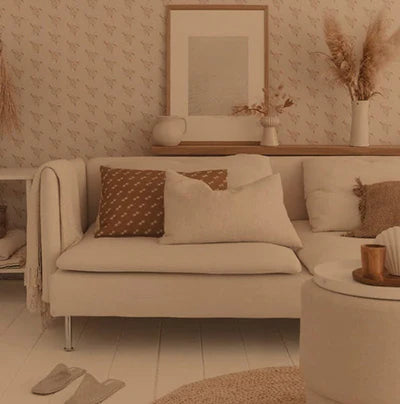
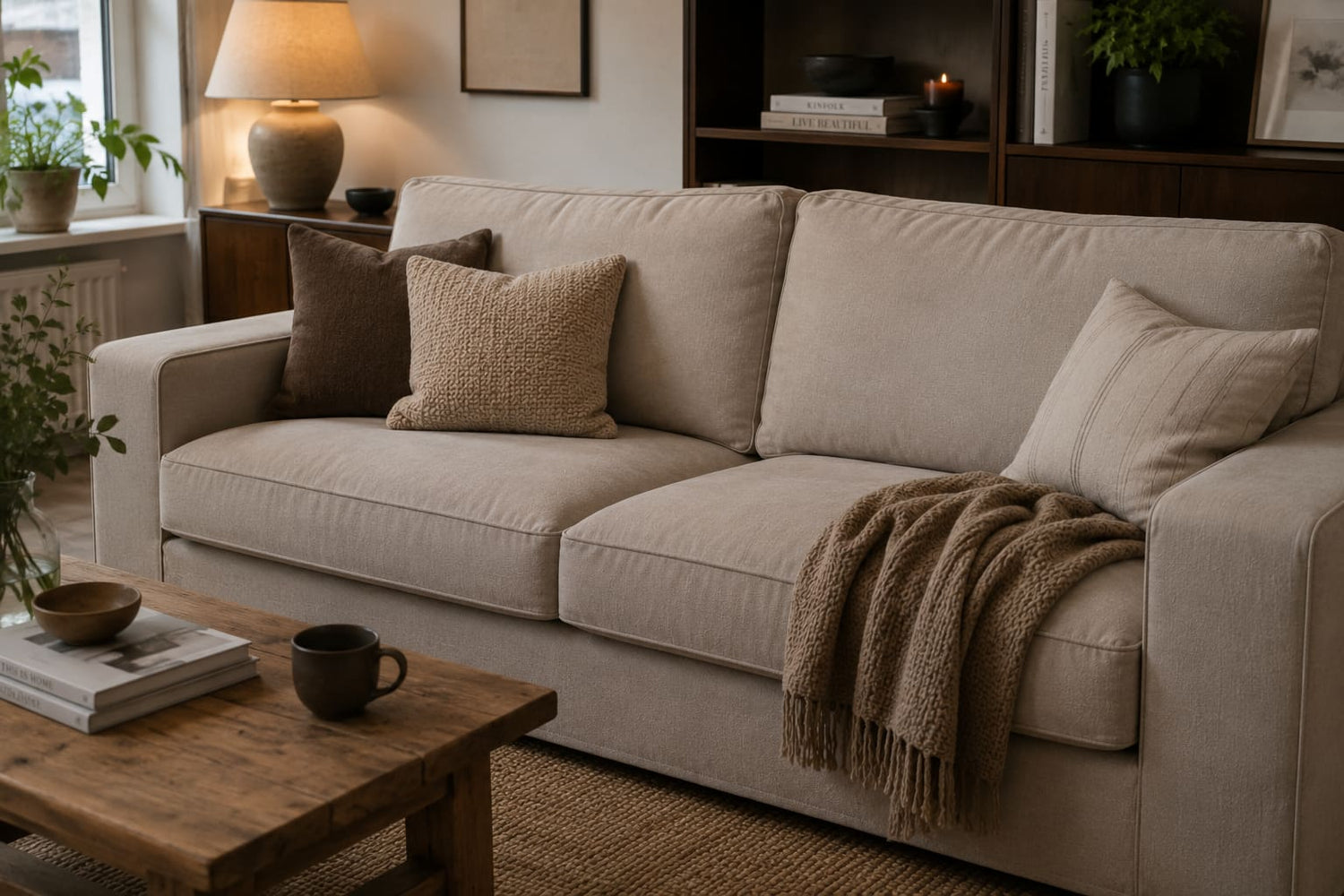
Making a sofa look more luxurious doesn’t mean you have to pile on lots of accessories. Too many cushions, colors, and throws make a sofa look busy rather than stylish. A calm combination of materials usually works better.
First choose a base. This can be a neutral cover, a dark fabric, or a warm linen look. Then build on it with decorative cushions and a throw. If you want to compare other IKEA models besides one specific model, you can look at handmade sofa covers for IKEA models to explore a wider fabric and color selection.
Use fewer colors but more texture
A sofa often looks more cared for when the color palette remains calm, but the materials don’t all feel the same. For example, combine a matte cover with a coarser woven cushion or a soft throw, so there is depth without the sofa becoming busy.
For a more extensive choice between fabrics like corduroy, velvet, chenille, and linen look, a natural reference to fabric choices for a more luxurious sofa fits here.
Choose decorative cushions consciously
Decorative cushions work best when they are not chosen randomly. For example, use three cushions on a smaller sofa and five on a larger one. Combine different sizes but keep the color palette limited.
A good base is one large calm color, one texture, and possibly one subtle pattern. Avoid having too many prints at once. That can quickly become chaotic, especially if the sofa already has a distinct fabric texture.
For those who want to explore this topic further, a natural reference to a sofa styled like a more expensive designer brand. In this guide, we mainly focus on budget adjustments you can apply immediately.
Use a throw functionally
A throw can make a sofa softer and more inviting, but only if placed intentionally. Don’t just lay it in the middle of the seat. Drape it loosely over an armrest, place it on one side of the sofa, or use it to visually soften a sharp corner.
Pay attention to the material. Wool, cotton blends, and coarser woven fabrics give more character than very thin synthetic throws. The color doesn’t have to be exactly the same as the cover. A small contrast often works better, as long as it stays within the same calm palette.

Consider the surroundings of the sofa
A sofa never stands alone. The floor, wall, lighting, and surrounding furniture all influence how expensive or well-kept the sofa looks. Even a neat cover and beautiful cushions lose their effect when the sofa is against a bare wall with harsh lighting above.
Make sure the corner around the sofa is complete. A side table, floor lamp, rug, or artwork can better connect the sofa with the rest of the room. It doesn’t have to be expensive. It’s mainly about proportion, calm, and repetition of materials.
Light makes fabric more beautifully visible
Fabrics look different in daylight than in warm evening light. A dark cover can look calm and deep during the day but become heavy in a poorly lit corner. A light fabric can seem fresh but appear flat in bright light.
Therefore, use several soft light sources rather than one harsh lamp. A floor lamp next to the sofa, a table lamp on a side table, or indirect light behind a piece of furniture makes the seating area warmer. Texture in the fabric then becomes more visible.
Let the sofa breathe in the room
If a sofa is placed too close to other furniture, it looks heavier faster. Where possible, give some space around the sofa. A small piece of floor between the sofa and coffee table, or a clearly visible rug under the seating area, helps the sofa look more deliberately placed.
With a large sofa, scale is important. Small cushions or a rug that is too narrow can make the sofa look out of proportion. Choose accessories that match the size of the furniture.
Maintenance determines how long the effect lasts
A sofa can look immediately better after a styling update, but without maintenance, that effect disappears quickly. Dust, crumbs, crooked cushions, and small stains make a sofa look less fresh after just a few weeks.
Vacuum the sofa regularly with a soft brush. Treat stains quickly according to the fabric’s instructions. Wash removable covers only as indicated, because washing too hot or drying incorrectly can affect the fit.
After washing, it often helps to carefully refit the cover, smooth it out, and lightly steam it. This helps the fabric hang better and prevents the sofa from looking like the cover was hastily put back on.
Conclusion
If you are working with a limited budget, don’t start with everything at once. First, choose the adjustment that bothers you the most. If the sofa looks messy because of wrinkles, start by properly fitting and steaming the cover. If the sofa looks heavy or outdated, look at different legs. If the cushions seem flat, start with better inserts.
The best budget tricks are usually not spectacular, but precise. A tighter cover, fuller cushions, better proportions, and calmer styling together make a big difference. This way, your sofa gets a more luxurious look without the interior feeling staged or overdone.
